
How SB 721 Is Affecting California Apartment Building Sales in 2026
SB 721 Is Now Affecting California Apartment Sales - What Sellers Need to Know
By Shant Sherbetdjian
For years, California apartment owners have heard about SB 721 primarily as a building safety and inspection requirement. But in 2026, we are seeing another side of SB 721 firsthand:
It has become a real estate transaction issue.
Multifamily realtor, Shant Sherbetdjian, has been involved in more than 21+ apartment transactions so far this year. Across the overwhelming majority of those transactions involving properties subject to SB 721, one question has continued to come up from buyers and lenders:
“Can we see the SB 721 inspection report?”
Buyers want it. Lenders are asking for it. And if the inspection identifies repairs, the next question is almost always whether those repairs have been completed.
For apartment owners considering selling, the message is becoming increasingly clear: SB 721 should be addressed before you enter escrow—not after.
What Is SB 721?
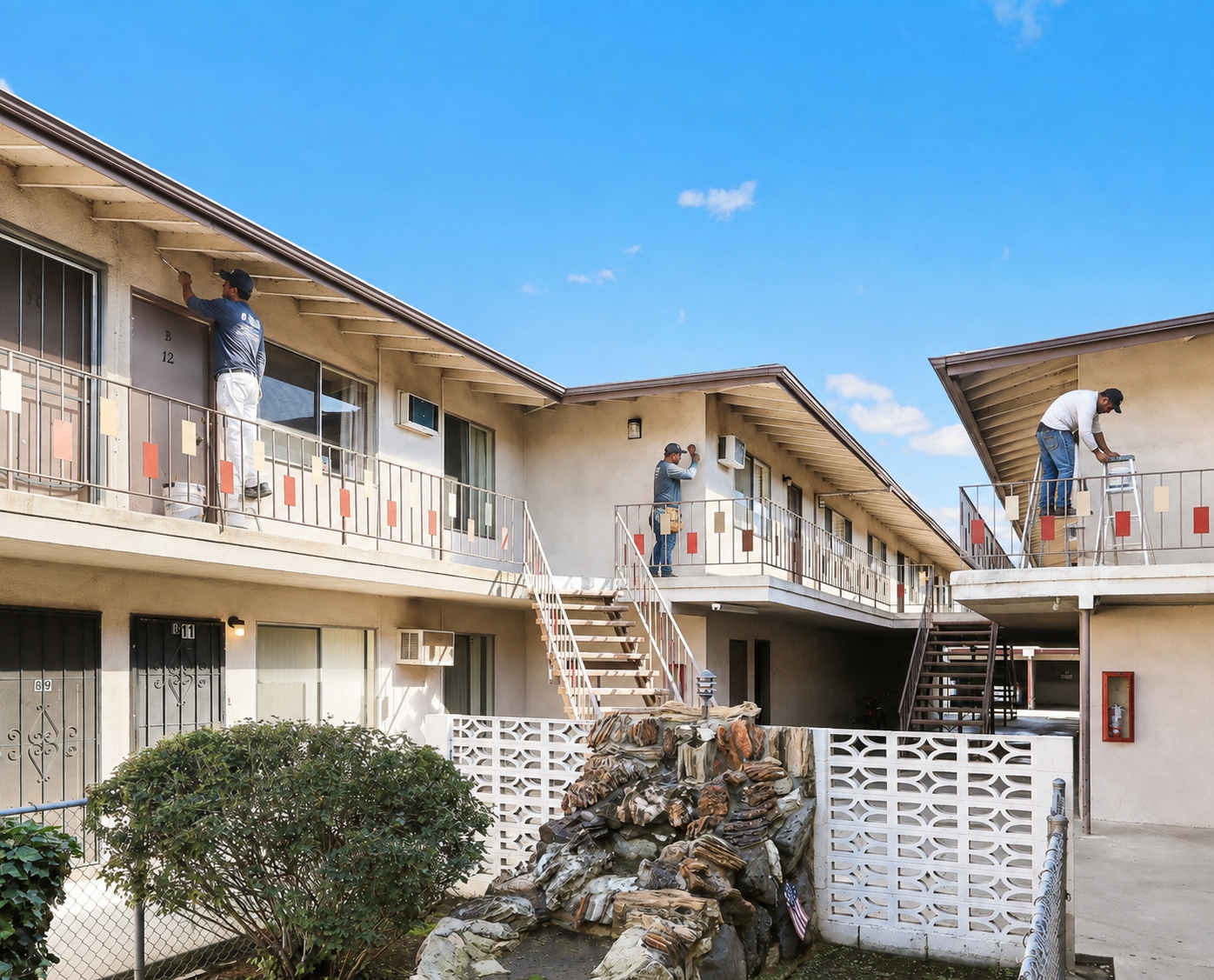
California Senate Bill 721 requires inspections of certain exterior elevated elements on multifamily properties containing three or more dwelling units. These can include balconies, decks, walkways, stairways, and entry structures.
The purpose is to identify structural deterioration, water intrusion, dry rot, and other conditions that could pose safety risks. Property owners are also responsible for completing necessary repairs identified through the inspection process.
While SB 721 was enacted as a safety law, its impact now extends well beyond the physical condition of a building.
What We're Seeing in Actual Apartment Transactions
As brokers, one of our jobs is to anticipate issues that could interfere with a transaction before they become problems.
That is why our team has taken a proactive approach with sellers whose properties may be subject to SB 721. Rather than waiting for a buyer, lender, or inspector to raise the issue during escrow, we encourage sellers to understand their property's status early.
That means determining:
- Has the SB 721 inspection been completed?
- Is the inspection report readily available?
- Were any deficiencies identified?
- If repairs were recommended, have they been completed?
- Were required permits obtained and properly closed?
- Are there any outstanding notices, violations, penalties, enforcement actions, or liens?
These are essentially the same questions Chicago Title National Commercial Services is now advising buyers and lenders to consider before closing on a multifamily property.
And that is significant.
Why Buyers Care About Your SB 721 Report
An apartment buyer isn't simply purchasing the property's current income stream. They're also taking on the physical condition of the building and its future capital expenditures.
If an SB 721 inspection identifies significant repairs that haven't been completed, the buyer may have to factor those costs into the acquisition. That can potentially affect how the buyer views the property's value, their repair budget, their willingness to proceed, or even the price they are prepared to pay.
Chicago Title specifically notes that buyers and lenders need visibility into potential capital expenditures associated with deferred maintenance, mandated repairs, and future compliance obligations. In other words, an unresolved SB 721 issue can become another unknown for a buyer. And unknowns create risk.
Why Lenders Care
This is an area where we have seen a noticeable change. In many of our recent transactions, lenders have been adamant about reviewing SB 721 documentation. Why? Because a lender needs to understand the condition of the collateral securing its loan. An inspection report identifying significant outstanding repairs can potentially affect underwriting or create additional requirements before funding. Chicago Title warns that unresolved compliance concerns can result in lender requirements, repair escrows, indemnity requests, or additional underwriting review before a transaction can proceed. That means an issue that might appear to be strictly between a property owner and the local jurisdiction can ultimately find its way into the financing and closing process.
SB 721 Can Even Become a Title Issue
This is another piece apartment owners shouldn't overlook. Title insurance itself does not guarantee the physical condition of a property or whether the property complies with SB 721. However, Chicago Title points out that compliance-related issues can create matters that directly affect a transaction.
For example, local agencies may record building safety liens when an owner fails to comply with required repairs or enforcement actions. Those liens can affect title and may need to be resolved before the property can close.
Outstanding notices, code enforcement matters, and municipal actions can also add another layer of investigation and complexity during due diligence.
This is why SB 721 is no longer something sellers should view simply as an inspection sitting in a property-management file. It can follow the property directly into escrow.
What Does This Mean If You Plan to Sell Your Apartment Building?
Shant Sherbetdjian's recommendation is simple:
Don't wait until you're in escrow to find out you have an SB 721 problem.
If you're thinking about selling, start reviewing your SB 721 status with your broker and appropriate professionals before bringing the property to market.
- If the inspection hasn't been completed, understand what is required.
- If it has been completed, locate the report.
- If deficiencies were identified, determine what has and hasn't been corrected.
- If repairs were completed, organize the invoices, permits, sign-offs, photographs, and other documentation that can demonstrate the work was addressed.
The goal is to remove uncertainty before a buyer begins due diligence.
Why We Have Been Proactive With Our Sellers
At Southern California Apartment Group and Shant Sherbetdjian, we don't want to discover a major issue after a property is already under contract. Whenever possible, we work with our sellers before and during the listing process to identify potential transaction obstacles—including SB 721-related issues—so there is an opportunity to address them early. That doesn't mean every seller needs to complete every conceivable improvement before selling.
It means knowing what you're dealing with before the buyer discovers it for you.
There is a major difference between going into a transaction saying: “Here is the inspection, here is what was identified, and here is what we've done.” versus discovering during escrow that the lender needs a report you can't produce or that there are repairs, permits, violations, or other unresolved issues that no one accounted for.
The first scenario gives a seller and their broker an opportunity to manage the issue.
The second can put the buyer and lender in control of the conversation.
Being Proactive Can Help Protect the Transaction
Chicago Title's SB 721 guidance makes a similar point. According to its 2026 commercial real estate bulletin, identifying SB 721 concerns earlier creates a greater opportunity to avoid unexpected closing delays, address lien and title issues before funding, reduce transaction risk, improve lender confidence, support underwriting and valuation, and facilitate smoother closings.
That closely mirrors what we're experiencing in the market. A clean SB 721 file doesn't necessarily make an apartment building more valuable on its own. But unresolved issues can create uncertainty, additional negotiations, lender concerns, closing delays, and potentially additional costs.
And those are exactly the types of surprises sellers want to minimize.
Thinking About Selling? Start Preparing Before You List.
If you own a multifamily property in Southern California and are considering selling within the next year or two, don't wait until you receive an offer to begin preparing your property for the transaction. Review your SB 721 documentation now. Understand what repairs may still be outstanding. Make sure your records are organized. And work with experienced professionals who understand not only how to market an apartment building, but also the issues that today's buyers and lenders are raising during due diligence.
The best time to solve a transaction problem is before it becomes a transaction problem.
Shant Sherbetdjian specializes in the sale and acquisition of multifamily investment properties throughout Southern California. Our team works with apartment owners to strategically prepare, position, and market their properties while navigating the increasingly complex issues affecting California multifamily transactions.
This article is provided for general educational and informational purposes only and should not be considered legal, tax, construction, or compliance advice. Property owners should consult with qualified legal counsel, inspectors, contractors, title professionals, and other appropriate professionals regarding their specific property and SB 721 obligations.
Shant Sherbetdjian
Realtor/Apartment Specialist
Team Southern California Apartment Group
Office: 626-657-8150