
SECTION 8 INSPECTIONS ARE EXPANDING IN LOS ANGELES: Is NSPIRE Going Too Far?
SECTION 8 INSPECTIONS ARE EXPANDING IN CITY OF LOS ANGELES: Is NSPIRE Going Too Far?
City of Los Angeles apartment owners have another major change coming their way.
And this one deserves your attention.
Effective October 1, 2026, HACLA is changing the way Section 8 properties are inspected under HUD's new NSPIRE inspection standards.
At first glance, this may sound like another routine update to the Section 8 program.
It's not.
For years, many landlords have approached a Section 8 inspection with one primary concern:
Does the tenant's unit pass?
Under NSPIRE, landlords need to start asking a much bigger question:
How much of my property is now part of the inspection?
According to HACLA's notice to Section 8 owners, NSPIRE inspections will focus on three areas:
- UNIT: The interior of the dwelling where the resident lives.
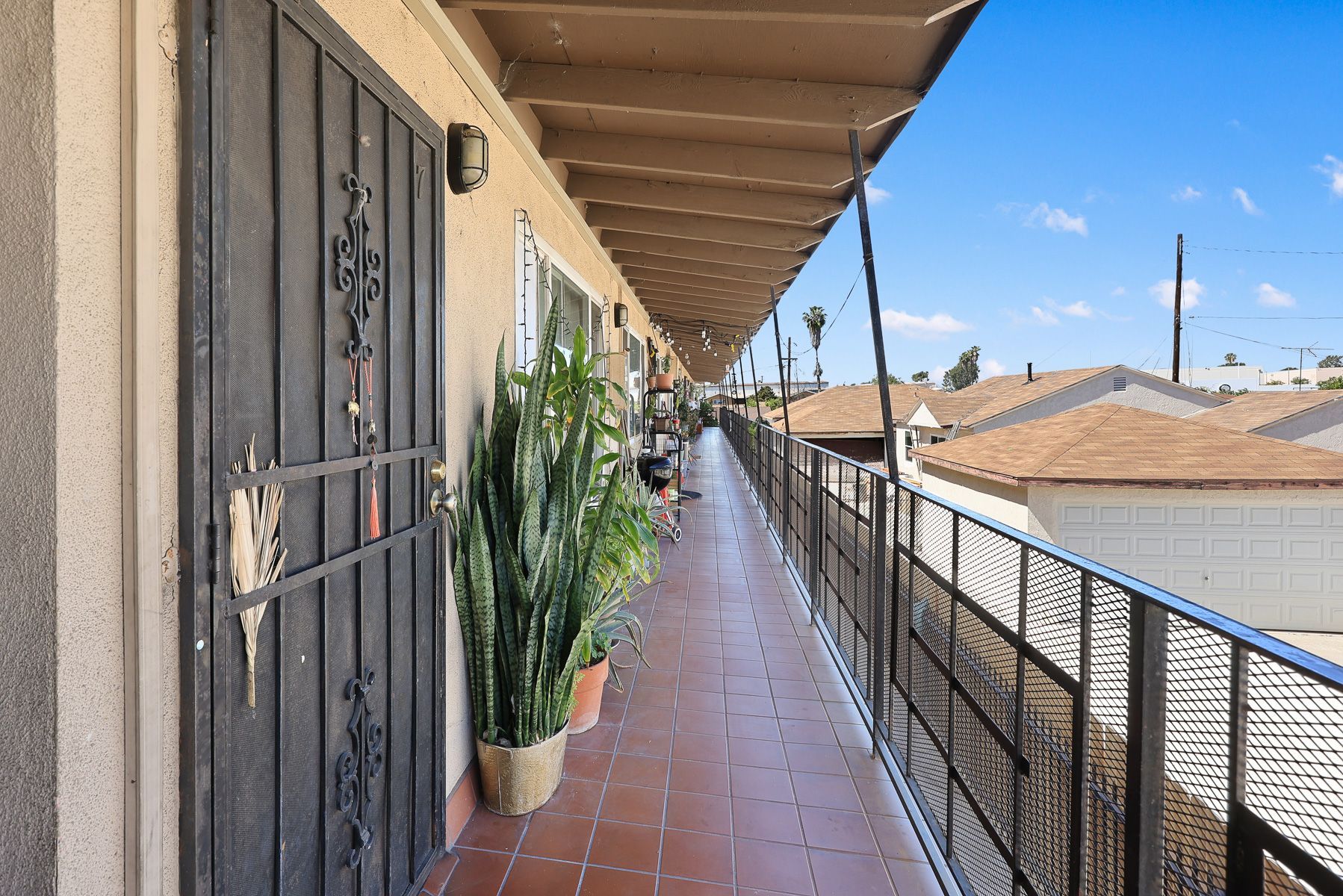
- INSIDE: Interior common areas and building systems—including lobbies, laundry rooms and hallways.
- OUTSIDE: The building's exterior and site—including parking lots, sidewalks and the building façade.
Read that again.
Parking lots. Hallways. Laundry rooms. Sidewalks. Building exterior.
We're no longer talking only about whether the Section 8 tenant has a working heater, functioning smoke detector or safe electrical outlets inside the apartment.
The inspection framework now expressly reaches beyond the tenant's four walls.
One Section 8 Tenant. A Much Bigger Inspection Footprint.
This is where City of Los Angeles multifamily owners should be paying attention.
Imagine owning a 20-unit apartment building. You have one Section 8 tenant.
You maintain that tenant's apartment meticulously. Everything inside the unit is working properly and you've addressed every item you would traditionally expect an inspector to examine.
But now the inspector walks outside the apartment.
- What about the hallway?
- What about the stairs?
- The laundry room?
- The walkway?
- The parking lot?
- The exterior lighting?
- The building façade?
Suddenly, one assisted tenancy can potentially expose portions of a much larger property to inspection scrutiny.
That doesn't mean an inspector automatically gets to inspect every apartment or every corner of your building. The scope still depends on the applicable NSPIRE/HCV rules and what areas are associated with the assisted unit.
But the fundamental point remains:
The inspection doesn't necessarily end when the inspector walks out of the tenant's front door.
And that's a significant change landlords should understand.
Is This About Tenant Safety—or Regulatory Overreach?
HUD describes NSPIRE as a more objective, health-and-safety-focused inspection system.
There is certainly a reasonable argument for that approach. No tenant should be living with dangerous electrical wiring, a leaking roof, unsafe stairs or missing smoke and carbon monoxide detectors.
HACLA's notice specifically says inspectors will place greater priority on conditions such as nonfunctioning smoke or carbon monoxide alarms, faulty electrical wiring, leaking roofs or plumbing that could cause mold, and inoperable heating.
But landlords should be asking another question: Where should the line be drawn?
If a landlord voluntarily participates in Section 8 for one apartment, how much of the surrounding property should become part of that inspection?
That's where NSPIRE could become a double-edged sword for Los Angeles landlords.
The Consequences Aren't Just a Checklist
A failed Section 8 inspection isn't simply an inconvenient piece of paper.
HACLA states that when a unit fails reinspection because of owner deficiencies, Housing Assistance Payments can be abated until the property passes.
In other words:
The government isn't simply inspecting. Your rental income can ultimately be affected by the outcome.
That's why owners need to understand exactly what areas inspectors can examine and what deficiencies can trigger corrective action.
Los Angeles Landlords Already Have Enough to Keep Up With
Apartment owners in Los Angeles operate in one of the most heavily regulated rental environments in the country.
- Rent stabilization.
- Just-cause eviction requirements.
- Registration requirements.
- Habitability laws.
- Local housing regulations.
- State legislation.
- Section 8 requirements.
And now, for owners participating in HACLA's Section 8 program, the inspection process is changing again.
Whether you view NSPIRE as a necessary modernization of tenant-safety inspections or another expansion of regulatory oversight, ignoring it isn't an option.
Don't Just Prepare the Unit Anymore
If you're a HACLA Section 8 landlord, here's the mistake you don't want to make:
You get an inspection notice.
You send maintenance into the tenant's apartment.
They check the smoke detectors.
They check the outlets.
They check the plumbing.
They check the heater.
Everything looks great.
You're ready, right?
Not necessarily.
Starting October 1, owners should be thinking beyond the apartment.
Walk the route an inspector may walk.
Look at your hallways.
Look at your stairs and handrails.
Look at your laundry area.
Look at your walkways.
Look at the exterior.
Look at your parking areas.
Look for potential health and safety deficiencies before the inspector finds them for you.
The Bigger Question for LA Apartment Owners
NSPIRE may ultimately produce safer properties and a more objective inspection process.
But Los Angeles landlords should understand the tradeoff they're making when participating in the program.
The Section 8 inspection is no longer something you should think of as simply an inspection of the Section 8 apartment.
For multifamily owners, the potential inspection footprint is broader.
And when government assistance comes with government inspection, owners need to know exactly what they're agreeing to.
Effective October 1, 2026: Don't just prepare your Section 8 unit. Prepare your property.
Because under NSPIRE, the inspector may be looking beyond the front door.
Southern California Apartment Group
Shant Sherbetdjian
Sha
This article is for educational and informational purposes only and does not constitute legal advice. Inspection scope depends on applicable HUD and HACLA requirements and the circumstances of the property. Owners should consult HACLA and qualified legal counsel regarding their particular property.